
Electronic cigarette regulations vary significantly around the world, with each country imposing its own set of rules and laws tailored to their unique public health goals and concerns. As the popularity of vaping continues to surge, understanding these regulations has become crucial for both users and businesses operating internationally.
Global Overview of E-Cigarette Regulations
Several nations have developed diverse strategies to regulate e-cigarettes, ranging from stringent bans to open industry policies. These differences reflect each country’s stance on health, industry regulation, and consumer rights.
United States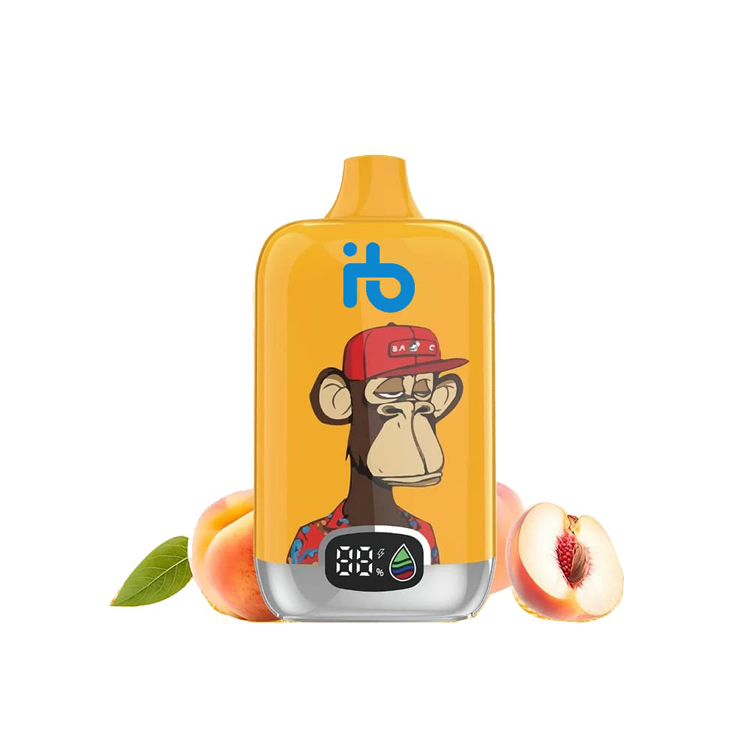 : In the US, e-cigarettes are regulated majorly by the Food and Drug Administration (FDA). They have established guidelines regarding the manufacturing, sale, and marketing of vaping products, with a focus on limiting youth access and ensuring product safety.
European Union
The European Union mandates operative directives for member countries, such as Tobacco Products Directive (TPD), aiming to oversee product composition and marketing ethics. Restrictions on nicotine levels and advertisement are prominent.
Australia
Australia has some of the most stringent e-cigarette regulations. The sale and possession of nicotine-containing e-cigarettes without a prescription are banned, enforcing harsh penalties for non-compliance.
Canada
Canada allows the sale of vaping products but imposes regulations via the Tobacco and Vaping Products Act, aiming to protect young people through advertising limitations.
The World Health Organization emphasizes the importance of effective e-cigarette regulation to help minimize health risks.
Countries with Vaping Bans
Countries like Brazil, India, and Thailand have opted for blanket bans on e-cigarette sales, suggesting public health hazards and potential youth addiction as pivotal concerns.
In Brazil, e-cigarettes are banned entirely, with health authorities citing insufficient evidence to assure their safety. Similarly, India banned the sale of vaping products, placing public health as a priority. Thailand imposes severe penalties, including fines and imprisonments for violations, supporting its comprehensive ban approach.
Emerging Markets and Lesser Regulations
While some countries enforce stern measures, others embrace the economic benefits presented by the vaping industry. For example, in China, where the majority of global e-cigarette manufacturing occurs, regulations are focusing both on health and economical interests.
With fluctuating e-cigarette regulations worldwide, manufacturers and consumers alike must stay well-informed to navigate this complex landscape effectively.
What are the health risks associated with e-cigarettes?
Despite the popularity of e-cigarettes as alternatives to traditional smoking, health risks remain. Studies indicate potential respiratory issues and the effect of nicotine addiction.
How do countries enforce advertisement bans?
Countries enforce bans by limiting media types where vaping can be advertised, restricting advertisement content, and implementing penalties for non-compliance.
Can banning e-cigarettes effectively reduce youth addiction?
Bans may help reduce access, but comprehensive education and prevention strategies are crucial for impactful results.