
Smart travel advice for modern smokers and device users
Traveling with personal vaporizing devices requires preparation, awareness of rules and a few packing techniques to prevent frustration during airport gates and security checks. This guide focuses on practical, tested tips to travel safely with your Vape gear and explains in plain language how to carry e cigarette in flight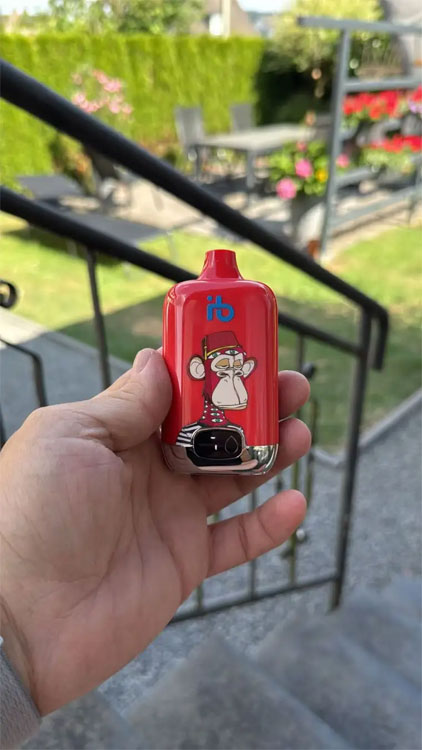 so you avoid confiscation, delays or damage. Whether you’re planning a domestic hop or a long-haul international trip, the same core principles apply: respect regulations, protect batteries, separate liquids and keep devices accessible.
Why planning matters: regulation, safety and convenience
The aviation ecosystem treats vaping devices differently from traditional cigarettes. Most civil aviation authorities allow electronic nicotine delivery systems in carry-on baggage but ban them from checked luggage due to lithium battery hazards. Knowing these rules, and the rationale behind them, gives you an immediate edge at airport security. This section highlights essential rules you must follow when deciding how to carry e cigarette in flight or how to store your Vape kit in transit.
Key regulatory points
- Carry-on only for devices: airlines and regulators (ICAO, IATA, TSA and many national bodies) generally require electronic smoking devices to remain in the cabin, not the hold.
- Spare batteries: remove and carry spare lithium batteries in carry-on, ideally in individual protective cases or original packaging.
- Liquid e-liquids: treat e-liquid bottles as other permitted liquids — usually 100 ml / 3.4 oz or less in a transparent resealable bag for carry-on, subject to local rules.
- Use on board: almost all airlines prohibit vaping during flight; never attempt to use a Vape while the aircraft is airborne or near terminals where smoking rules apply.
Before you pack: checklist and preparation
Start with a simple pre-trip inventory of your vaporizer, spare coils, tanks, battery types, chargers and e-liquid bottles. This reduces last-minute panic and helps you comply with airport staff. Essential items to include in a travel checklist:
Vape device(s), one or two spare batteries in protective sleeves, small e-liquid bottles in a clear bag, USB chargers (carry-on), a compact protective case, coil replacements, and a small tool kit for maintenance.
Packed for security: how to arrange items
- Place your devices and batteries in an outer compartment of your carry-on so they are easy to remove if asked.
- Keep e-liquids in a TSA-compliant clear bag and make them visible during screening.
- Use a rigid travel case to prevent accidental activation or tank damage; a case reduces the risk of leaking and protects fragile components.
- Label boxes and bottles when possible — a concise printed note that states the contents and nicotine strength can speed up explanations to security officers.
Device and battery safety: the most important rules
Safety is the prime reason checked baggage bans electronic devices with lithium batteries. Protecting yourself and the aircraft means taking extra care with batteries and preventing unintentional activation. Follow these practical rules:
- Power down devices fully; use a physical safety lock if your mod supports it.
- Keep tanks partially disassembled if travel time involves temperature changes (loose seals reduce pressure problems, but pack carefully to avoid leaks).
- Cover battery contacts with tape or use dedicated battery cases to prevent short circuits.
- Only bring batteries in the allowed capacity range — high-capacity professional cells might need airline approval.
Spare batteries — how to carry them correctly
Carry spare lithium-ion cells inside your carry-on and not inside checked luggage. Many airports require a certain watt-hour limit for each battery; check the airline policy before flying. If you use button top cells (such as 18650 or 21700), please use original boxes or protective cases to avoid contact between terminals. When packing multiple spares, separate each battery and avoid loose packing that could cause dents or contact with metal objects.
Liquid rules and practical tips
Liquid restrictions mirror those for any toiletry item. Store e-liquid bottles in a single clear resealable plastic bag and ensure each bottle is under the maximum allowed volume per your departing airport. If you have larger bottles of e-liquid that exceed allowed volumes, consider decanting into travel-sized containers before your trip. Some travelers prefer nicotine-free liquids in carry-on to avoid customs complications; this can be particularly useful when flying to destinations with strict nicotine import rules.
Packing to avoid leaks and spills
Temperature and pressure changes during flights can cause tanks to leak. To minimize issues: do not overfill tanks, consider leaving a small air gap, use paste wax or tape on tank threads for extra sealing, and store tanks upright whenever possible. Some vapers remove tanks and pack them separately in small zip bags within a rigid case. This keeps the atomizer isolated from other items and prevents e-liquid from spilling into luggage.
International travel: customs and destination rules
International trips add complexity: various countries have different laws regarding nicotine, e-cigarettes and vaping devices. Before you fly, research the destination nation’s stance. Some countries prohibit nicotine e-liquids or require special permits. Avoid packing prohibited items that could lead to fines or confiscation; when in doubt, carry receipts and manufacturer documentation for your products and be prepared to declare devices if asked. This extra paperwork can save time and headaches at immigration or customs.
Airline nuances and pre-flight checks
Airlines have nuanced differences: some permit vaping devices but require them to be switched off and stowed, others define precise battery watt-hour limits. Check the airline website or contact customer service to verify the policy. If traveling on multiple carriers, confirm rules for each leg. Print or screenshot the relevant policy page so you can show it to staff if needed.
At the airport: security and interactions with staff
At security, present your devices and liquids in an organized manner. Remove devices from bags and place them in a bin similar to how laptops and tablets are screened. If asked, explain clearly and calmly that the device is an electronic nicotine-delivery system; use simple phrasing like “this is a personal vaporizer, batteries removed and in carry-on“. Showing the device powered off and in a case often resolves confusion quickly.
What to do if your device is questioned
Remain polite and follow instructions. If an item is believed to be noncompliant, you may be asked to discard it or leave it at the checkpoint. If you must discard e-liquid during screening, try to pour it into a bottle in the designated bins rather than spilling in bins. When traveling in countries with strict restrictions, border officials may confiscate devices — pack backups only if allowed and be ready to surrender anything prohibited.
Packing examples and recommended layouts
Practical packing templates simplify travel decisions. Below is a recommended layout for a carry-on bag that respects most airline regulations and optimizes security checks:
Top compartment: passport, boarding pass, printed device policy, and a small labeled note about your electronics.
Main compartment: rigid travel case with your Vape device(s), tanks removed or secured, spare coils in small containers.
Side pocket: clear zip bag with e-liquids under the permitted size.
Accessory pouch: battery case with spare cells, USB cables, chargers and a tiny multi-tool (check airline rules about tools).
Example: business traveler minimal kit
One device, one tank (empty or partially full), two spare batteries in a protective sleeve, three small e-liquid bottles (<100 ml each), a small charger and a printed copy of the airline policy. This keeps weight down and speeds up checks.
Practical in-transit tips
- Turn off devices during boarding and keep them in your personal item — pockets are acceptable if safe and the device is powered down and protected.
- Avoid carrying loose parts in side pockets where they can fall out during security rummaging.
- Charge devices before travel; airlines do not allow in-seat charging of devices if it implies use.
- Have a clear plan for lost or confiscated gear: know local options for replacement supplies at your destination.
Common mistakes and how to avoid them
New travelers often pack everything in checked luggage, forget spare battery protection, or try to use a device at the gate. Avoid these errors by following this short dos-and-don’ts list:
Do keep devices and spare batteries in carry-on, power off devices, decant large e-liquid bottles, use protective cases.
Don’t put batteries in checked luggage, attempt to vape on board, or ignore airline and customs rules.
Real-life anecdotes that teach lessons
One traveler lost a favorite mod because it was packed in checked luggage; an airline later confirmed it was disposed as a safety precaution. Another avoided delays simply by storing batteries in a labeled, protective box and showing staff on request.
Additional travel conveniences and extras
 Vape packing tips for hassle free airport checks” />
Small accessories can improve the travel experience: a compact scale for battery checks, spare O-rings and seals for tanks, a travel syringe for safe e-liquid decanting, and a printed “device inventory” note to help clarify items during inspections. Keeping digital copies of receipts and product manuals in an email or cloud folder is also wise — customs officers appreciate documentation.
Summary and quick reference
To summarize the core guidance on traveling with vaping gear and how to approach how to carry e cigarette in flight: plan early, carry devices and batteries in the cabin, protect spare batteries, respect liquid rules, and research destination-specific laws. Use a rigid case, label items when helpful, and keep everything accessible during security screening.
Quick checklist
- Devices in carry-on and powered off
- Spare batteries in protective sleeves and in carry-on
- E-liquids in compliant clear bag and under limits
- Protective travel case to prevent activation or leaks
- Printed airline policy or screenshot handy

SEO focused tips to help this page be found
For web publishers creating content about Vape travel and how to carry e cigarette in flight, use headings, bold the main keyword phrases, and include practical lists and step-by-step procedures. Rich semantic structure (
,
,
, ,
) helps search engines parse the page and identify the content’s utility. Provide region-specific guidance where possible and update pages when international rules change.
Remember to avoid repeating the exact headline verbatim across multiple pages; paraphrase and diversify anchor text to maintain content quality.
Closing thoughts
Traveling with a Vape doesn’t have to be stressful. With careful planning, protective packing and respect for local rules, you can transport your device safely and legally. Focus on battery safety, keep liquids visible and carry documentation when crossing borders. These small steps make the difference between a smooth security check and an inconvenient delay.
Related reading: check official airline pages, consult the TSA or your country’s civil aviation authority, and consult the IATA guidance on lithium batteries and electronic smoking devices.
FAQ
Q1: Can I put my e-cigarette in checked baggage?
A1: Generally no — airlines and regulators require devices and spare batteries to be in carry-on due to fire risks associated with lithium cells. Always confirm with your carrier.
Q2: How should I pack spare batteries?
A2: Use dedicated battery cases or the original packaging, tape the terminals if needed, and keep them in your carry-on only.
Q3: Are e-liquids restricted?
A3: Yes — treat e-liquids like other liquids. Most airports limit containers to 100 ml / 3.4 oz and require them to be in a clear resealable bag.
, ,
) helps search engines parse the page and identify the content’s utility. Provide region-specific guidance where possible and update pages when international rules change.
Remember to avoid repeating the exact headline verbatim across multiple pages; paraphrase and diversify anchor text to maintain content quality.
Closing thoughts
Traveling with a Vape doesn’t have to be stressful. With careful planning, protective packing and respect for local rules, you can transport your device safely and legally. Focus on battery safety, keep liquids visible and carry documentation when crossing borders. These small steps make the difference between a smooth security check and an inconvenient delay.
Related reading: check official airline pages, consult the TSA or your country’s civil aviation authority, and consult the IATA guidance on lithium batteries and electronic smoking devices.
FAQ
Q1: Can I put my e-cigarette in checked baggage?
A1: Generally no — airlines and regulators require devices and spare batteries to be in carry-on due to fire risks associated with lithium cells. Always confirm with your carrier.
Q2: How should I pack spare batteries?
A2: Use dedicated battery cases or the original packaging, tape the terminals if needed, and keep them in your carry-on only.
Q3: Are e-liquids restricted?
A3: Yes — treat e-liquids like other liquids. Most airports limit containers to 100 ml / 3.4 oz and require them to be in a clear resealable bag.
Remember to avoid repeating the exact headline verbatim across multiple pages; paraphrase and diversify anchor text to maintain content quality.
Closing thoughts
Traveling with a Vape doesn’t have to be stressful. With careful planning, protective packing and respect for local rules, you can transport your device safely and legally. Focus on battery safety, keep liquids visible and carry documentation when crossing borders. These small steps make the difference between a smooth security check and an inconvenient delay.
FAQ
Q1: Can I put my e-cigarette in checked baggage?
A1: Generally no — airlines and regulators require devices and spare batteries to be in carry-on due to fire risks associated with lithium cells. Always confirm with your carrier.
Q2: How should I pack spare batteries?
A2: Use dedicated battery cases or the original packaging, tape the terminals if needed, and keep them in your carry-on only.
Q3: Are e-liquids restricted?
A3: Yes — treat e-liquids like other liquids. Most airports limit containers to 100 ml / 3.4 oz and require them to be in a clear resealable bag.