
Practical Guide from IBVape Shop on choosing between modern nicotine delivery options
This in-depth, user-focused comparison explores the real-world differences between IBVape Shop offerings and two prominent categories of alternatives: heated tobacco products vs e-cigarettes. The goal is practical clarity for new vapers and experienced users who want facts, hands-on tips, cost comparisons, and safety context. The following content emphasizes balanced analysis, evidence-based detail, and actionable guidance so you can make an informed choice aligned to personal preferences, lifestyle, and regulatory considerations.
Why a side-by-side matters
Consumers, clinicians, and policy makers often compare devices by words like “harm reduction”, “user satisfaction” and “exposure profile.” A focused comparison helps you understand how products commonly stocked in stores like IBVape Shop differ on measurable attributes: delivery mechanics, aerosol composition, nicotine kinetics, flavor range, convenience, device maintenance, and long-term cost. This article avoids marketing hyperbole and instead explains trade-offs so you can choose what matters most for you.
Basics: what each approach is and how it works
Heated tobacco products (HTPs)
Heated tobacco products warm processed tobacco to temperatures below combustion, typically between 250–350°C, releasing a nicotine-containing aerosol without burning the leaf. They use proprietary sticks or capsules and often feature simple one-button operation. Users who value a tobacco-derived flavor and similar ritual to cigarette smoking may prefer this category. The heating process reduces the production of many combustion-related toxicants compared with conventional cigarettes, though not all risks are eliminated.
E-cigarettes (vapes)
E-cigarettes vaporize a liquid (e-liquid) that contains propylene glycol, vegetable glycerin, nicotine (in different salts or freebase forms), and flavorings. Device types vary widely from disposable pods to advanced rebuildable kits. E-cigs allow extensive customization of nicotine strength, flavor, and vapor production, which can make them more adaptable to individual preferences and cessation strategies. They typically heat to lower temperatures than cigarettes but higher than some HTPs depending on coil and power settings.
Head-to-head comparison: performance and user experience
Nicotine delivery and throat hit
Nicotine satisfaction is central to switching success. High-nicotine heat-not-burn sticks can provide a cigarette-like delivery profile that many former smokers find familiar. Conversely, e-cigarettes—especially those using nicotine salts in pod systems—can deliver nicotine quickly with a smooth throat hit even at lower temperatures. For many users, IBVape Shop staff recommend trialing both categories to identify the optimal nicotine formulation and device.
Flavor and sensory variety
E-cigarettes offer a vast array of flavors—from tobacco and menthol to dessert and fruit blends—supporting personalization. HTPs tend to offer fewer flavor variants and a more tobacco-centric palette. If flavor diversity is a priority, a vape device with refillable or pod-based e-liquids often provides better choice.
Device handling, maintenance, and convenience
HTPs are typically closed systems with prefilled sticks or capsules, which makes them convenient and low-maintenance—ideal for users looking for a hassle-free experience. E-cigarettes range from disposables requiring no upkeep to rebuildable atomizers that demand technical skill and routine maintenance. Choose closed HTPs or closed pod systems for simplicity, and open systems for customizability.
Battery life and portability
Small pod devices and HTP devices are engineered for portability and pocket-friendly battery life. Advanced vape mods offer longer runtime but are bulkier. Assess your daily routine—commuting, work habits, and access to charging—when selecting hardware.
Health and exposure considerations
Neither category is risk-free, but both aim to reduce exposure to certain toxicants compared with combustible tobacco. Peer-reviewed studies show that many harmful combustion products are reduced when tobacco is heated rather than burned, and e-cigarette aerosol typically contains lower levels of many combustion-derived toxicants. However, emissions depend on device temperature, formulation, and user behavior (puff duration, frequency, power settings). Public health guidance often emphasizes complete cessation as the best health outcome; for those unable to quit, switching to less harmful alternatives could reduce some risks. Always consult up-to-date research and qualified health professionals for personal medical advice.
Regulatory landscape and public perception
Regulatory environments vary globally. Some jurisdictions regulate HTPs similarly to traditional tobacco products; others apply distinct categories. E-cigarettes are also regulated differently from country to country, with some imposing flavor restrictions, nicotine limits, or taxation. Retailers such as IBVape Shop must comply with local laws and often require age verification. It’s important to stay informed about legal changes in your area, as regulations can affect product availability, flavors, and permitted nicotine strengths.
Cost analysis: upfront and long-term
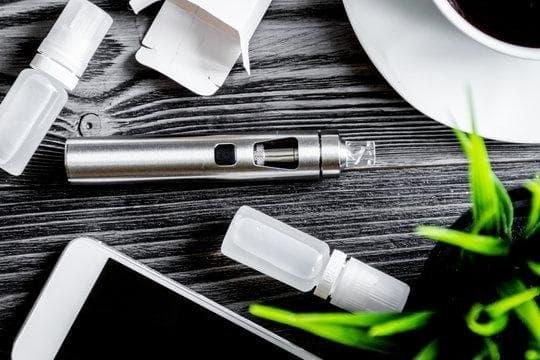
- Upfront cost: Basic HTP starter kits and pod-based e-cigarettes often have similar entry prices. Advanced vape systems cost more initially but can be economical long-term.
- Running costs: HTP sticks or capsules have a recurring per-use price; some users find them comparable or slightly higher than purchasing e-liquids and coils for moderate use. Refillable e-liquids tend to reduce per-dose cost if you use a high-capacity device and low-cost e-liquids.
- Replacement parts: Coils and pods require periodic replacement; poor maintenance can increase running costs and reduce performance.
Environmental and waste considerations
Disposable formats—either single-use vapes or single-use HTP sticks—create waste streams. Rechargeable, refillable devices reduce disposable plastic and battery waste, but batteries still require proper recycling. Look for programs that accept used pods, cartridges, and batteries; retailers like IBVape Shop sometimes offer take-back options or recycling guidance.
Choosing based on personal priorities
- If you prioritize ritual and tobacco taste: HTPs often replicate the smoking ritual more closely.
- If customization and flavor variety matter: E-cigarettes, especially refillable systems, will likely suit you better.
- If convenience and low maintenance are key: Closed HTPs or pod-based systems are preferred.
- If long-term cost efficiency is important: Consider refillable e-cigarettes with bulk e-liquids and replaceable coils.
- If minimizing exposure to combustion products is the goal: Both HTPs and e-cigarettes can reduce exposures compared to cigarettes, but neither is risk-free—consult scientific evidence and healthcare professionals.
Practical tips for new and experienced users
New users: Start with low-commitment, closed systems to learn nicotine needs and behavioral patterns before investing in advanced hardware. Sample different nicotine types—freebase vs salt—and assess throat hit and satisfaction. Many customers at IBVape Shop find that trialing multiple modest-cost products reduces wasted expenditure.
Experienced vapers: If you have a technique and know your preferred nicotine level, experiment with coil resistance, power settings, and e-liquid VG/PG ratios to fine-tune flavor and vapor production. Advanced users switching from cigarettes may try HTPs briefly to compare sensory match.
Troubleshooting and maintenance short checklist
- Keep batteries charged but avoid extremes that can shorten lifespan.
- Replace coils and pods at the first sign of burnt taste.
- Store HTP sticks and e-liquids as instructed to preserve flavor and performance.
- Clean device contacts regularly for consistent power delivery.
Market trends and innovation
Both categories continue to evolve. Manufacturers develop smarter temperature-control HTPs, faster-charge batteries, and more stable nicotine salt formulations for smoother delivery. Flavor stewardship and regulations influence product lines; consumers can expect ongoing iteration in both HTP and e-cigarette segments. Retailers such as IBVape Shop curate selections that reflect emerging technology and local regulatory compliance.
How to trial safely and ethically
When trying new products, buy from reputable sellers that perform age checks, provide clear labeling, and offer knowledgeable staff or resources. Compare product specs—temperature control, nicotine strength, ingredients list—and prioritize transparent manufacturers. Responsible retailers and vendors will guide you through product differences without coercion.
Summary and decision framework
Choosing between heated tobacco and vaping systems depends on priorities: sensory similarity to smoking (HTPs), customization and flavor options (e-cigarettes), or convenience and low maintenance (closed systems of either type). Consider short-term trial, total cost of ownership, maintenance tolerance, and local regulations. Use a structured approach: identify priorities, trial low-cost options, monitor satisfaction and side effects, and consult professionals if you have health concerns. Retailers like IBVape Shop can help with product demos and comparative advice tailored to your needs.
Further reading and reputable sources
Seek peer-reviewed literature, official public health agency reports, and manufacturer specifications. Cross-reference independent laboratory emission studies for objective comparisons. Keep in mind that device performance varies with user behavior, so prioritize first-hand trial and reliable vendor support.
Final thoughts
Both categories—heated tobacco products and e-cigarettes—offer alternatives to combustion with distinct advantages. The best choice depends on what you value most: ritual and tobacco flavor, flavor diversity and customization, simplicity, or cost efficiency. Evaluate options, test responsibly, and make use of expert support available at trusted retailers and professional clinics.
Frequently Asked Questions
Q: Are heated tobacco products safer than e-cigarettes?
A: Neither is risk-free; both reduce exposure to many combustion byproducts compared to cigarettes. Safety depends on device operation, product formulation, and individual health context. Consult current research and healthcare professionals.
Q: Which option helps most people quit smoking?
A: Evidence is mixed and evolving. Some smokers successfully switch using e-cigarettes due to nicotine and behavioral substitution, while others prefer HTPs for sensory similarity. Behavioral support increases the odds of quitting entirely.
Q: How should I choose nicotine strength?
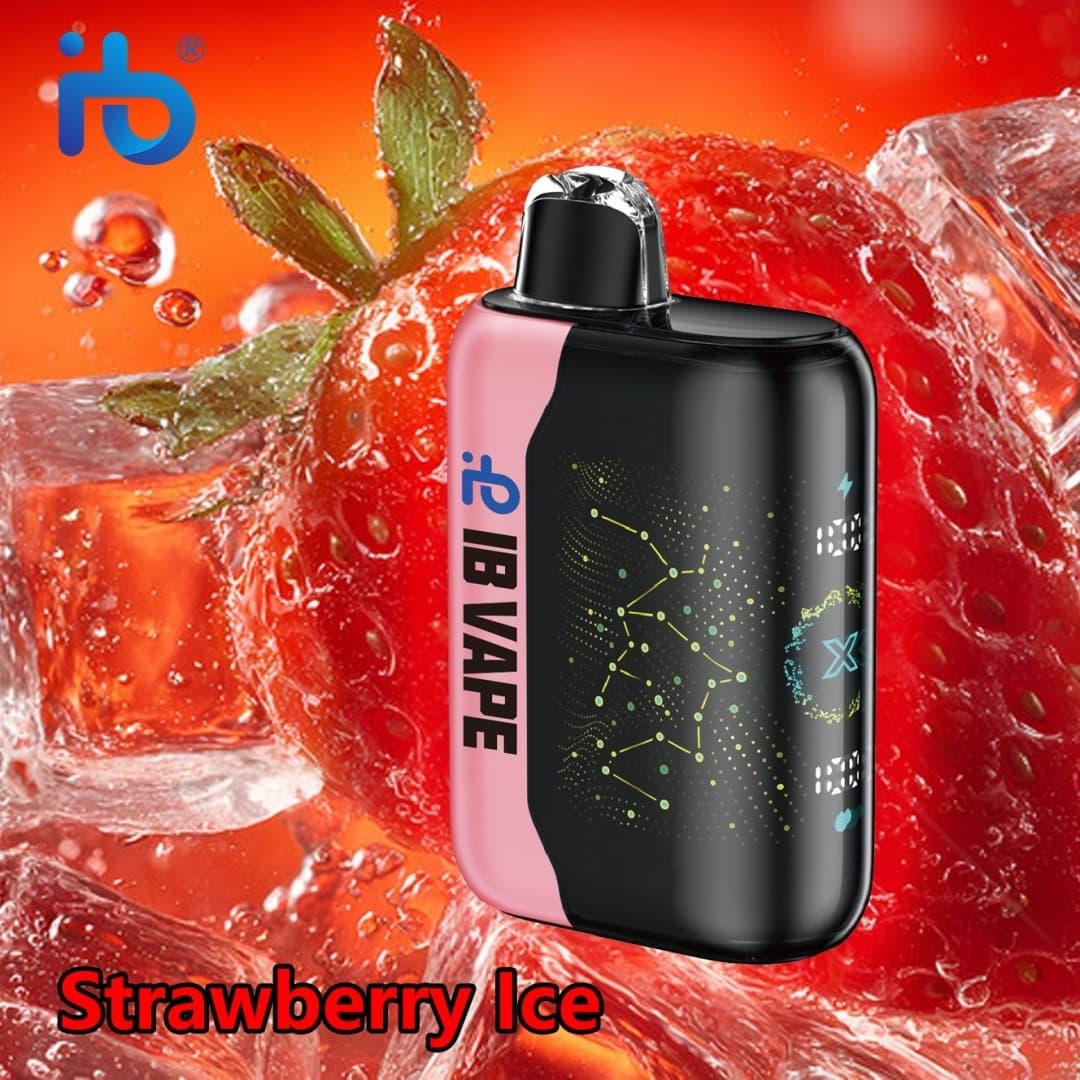
A: Match nicotine levels to your prior smoking consumption and adjust gradually. Nicotine salts provide smoother high-concentration delivery and may suit heavy smokers, while lower strengths can support tapering.
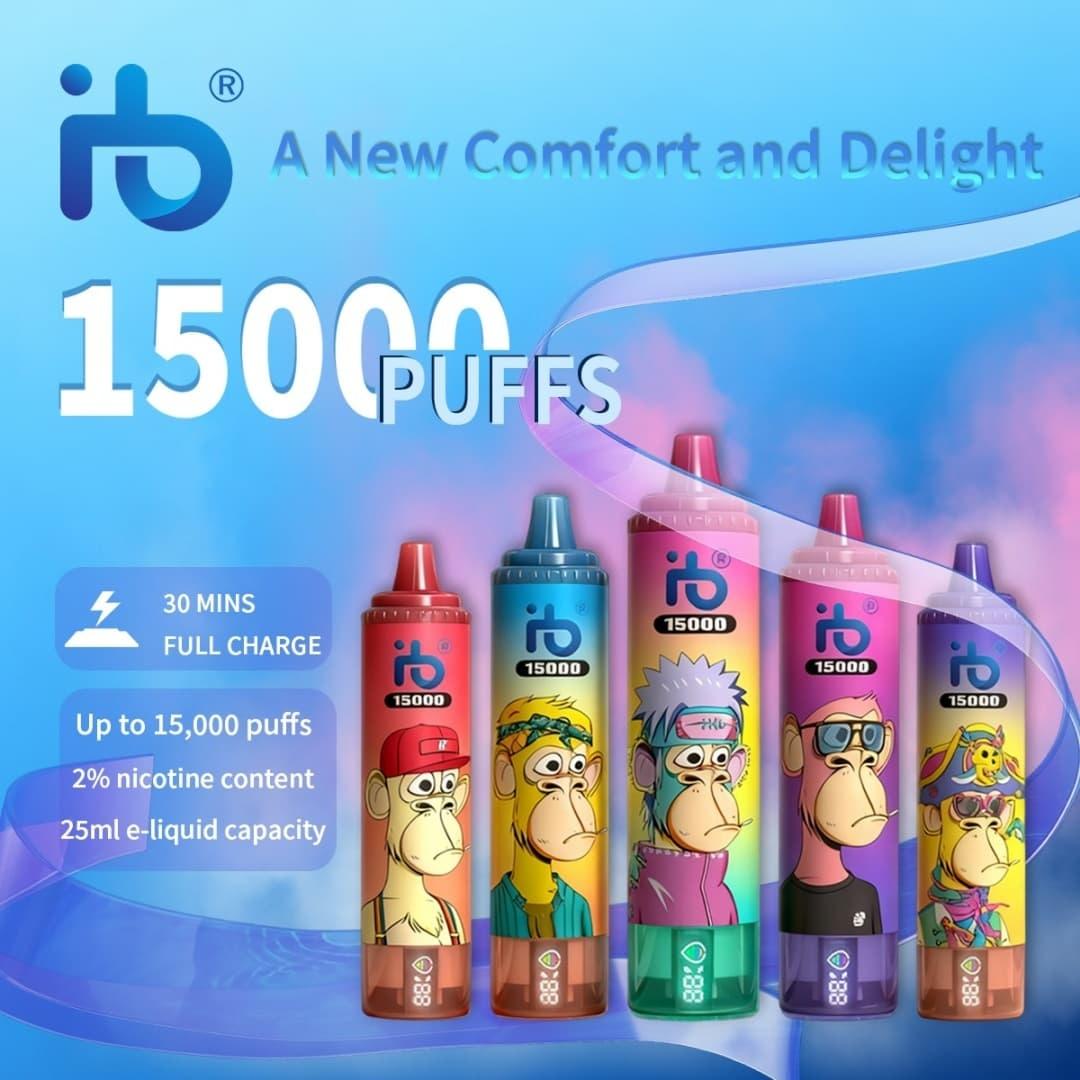
If you need product recommendations, try brief trials—many customers of IBVape Shop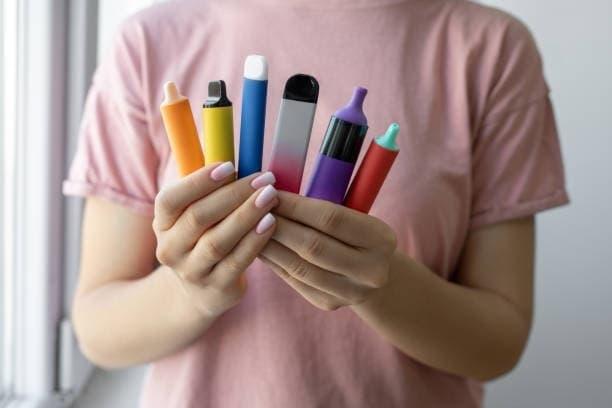 find that sampling both categories clarifies preference and leads to a satisfactory, sustainable choice.