
E-Sigara and Pregnancy: A Practical Health Primer for Expectant Parents
Why this guide matters
Becoming a parent triggers many questions about daily habits and exposures. Among them, concerns about vaping are increasingly common. This resource focuses on evidence-based discussion of E-Sigara options and the specific question many people ask: e cigarette while pregnant . The goal is to present clear, current information to help expecting people and their support networks make informed decisions, to improve outcomes for both parent and baby.
Snapshot: the current scientific picture
Research on E-Sigara use and pregnancy is still evolving. Studies show that while some people view e-cigarettes as less harmful than combustible tobacco, they are not risk-free. The core concerns relate to nicotine exposure, inhalation of other chemicals in aerosol, and indirect effects such as sustained nicotine dependence. Observational studies, animal models, and lab analyses all contribute to our understanding, but randomized trials in pregnancy are ethically constrained.
Key risks associated with e-cigarette use in pregnancy
- Nicotine and fetal development: Nicotine crosses the placenta and can affect fetal brain and lung development. Evidence links prenatal nicotine exposure with altered neurodevelopment and respiratory issues in childhood.
- Respiratory irritants and toxins: E-cigarette aerosols can contain volatile organic compounds (VOCs), metal nanoparticles, propylene glycol, glycerin breakdown products, and flavoring agents with poorly characterized safety profiles in pregnancy.
- Unknown long-term effects: Because vaping is relatively recent, long-term pediatric follow-up data are limited, so late-emerging effects remain uncertain.
- Dual use and delayed quitting: Some people use both e-cigarettes and combustible cigarettes. This pattern can increase overall exposure rather than reduce harm and may delay complete cessation.
Comparative harm: e-cigarette vs. tobacco cigarette during pregnancy
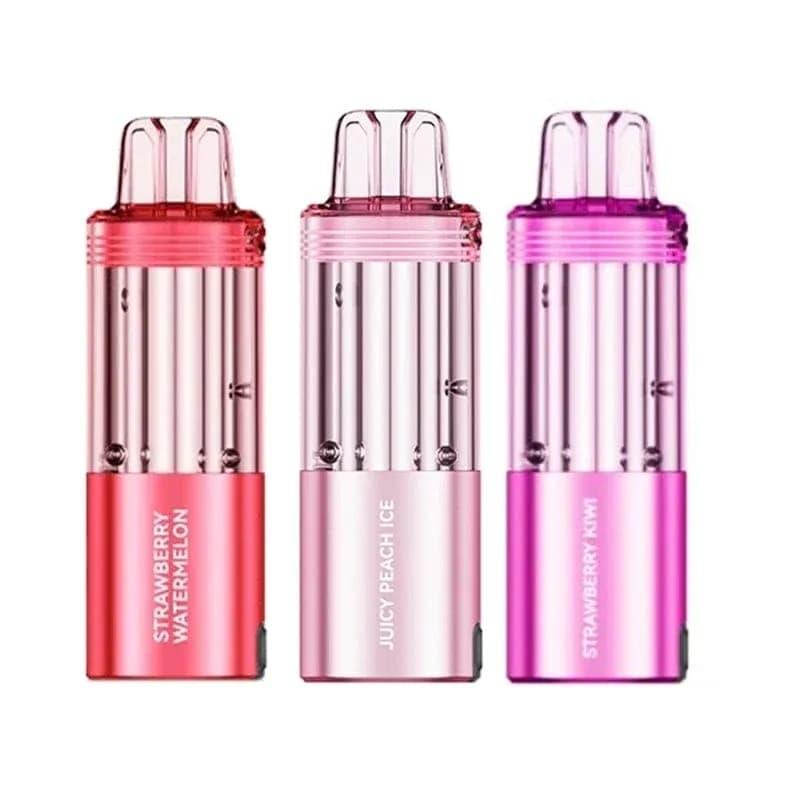
For adults generally, some public health authorities consider e-cigarettes to be less harmful than combustible tobacco because they eliminate combustion byproducts. However, in pregnancy the calculus is different. The potential reduction in some toxicants may not offset the specific harms of nicotine to a developing fetus. Thus, advising pregnant people that vaping is a safe alternative would be misleading. Accurate messaging is nuanced: while switching from smoking to vaping may reduce exposure to certain toxins, the ideal clinical goal during pregnancy is complete cessation from all nicotine products.
Evidence-based summary
Leading maternal health organizations recommend prioritizing evidence-based cessation strategies such as behavioral counseling. The role of e-cigarettes as a tool for quitting in pregnancy remains controversial and lacks conclusive safety data. If a pregnant person is unable to quit combustible cigarettes and is considering an alternative, individualized counseling with a clinician can weigh potential short-term reductions in some toxicants against continued nicotine exposure and unknown risks.
Practical advice for pregnant people and partners
- Talk to your healthcare team: Be open about any current or past use of E-Sigara devices, nicotine patches, gum, or combustible cigarettes. Honest discussion helps clinicians tailor support and reduces risk in prenatal care.
- Prioritize behavioral interventions: Motivational interviewing, cognitive-behavioral techniques, relapse-prevention counseling, and group support have strong evidence for increasing quit rates in pregnancy.
- Consider approved cessation aids carefully: Nicotine replacement therapy (NRT) such as patches or gum may be discussed with clinicians when behavioral approaches alone are insufficient. Clinicians weigh the benefits of reduced exposure from quitting smoking against potential nicotine effects; in some cases, NRT is recommended as a harm reduction strategy under supervision.
- Avoid self-directed switching: Unsupervised switching from cigarettes to e-cigarettes to reduce harm is discouraged in pregnancy without clinical guidance.
- Reduce secondhand exposures: Household members should avoid smoking and vaping indoors. Secondhand aerosol may contain nicotine and other chemicals that could affect a pregnant person.
How clinicians approach counseling about e-cigarette use
Clinicians typically follow a patient-centered approach: assess current tobacco and nicotine product use, provide clear advice about quitting, offer behavioral interventions, and discuss NRT or other medically supervised options when appropriate. When a pregnant person reports using an E-Sigara or is searching for information on e cigarette while pregnant, an evidence-informed, nonjudgmental conversation helps align goals and reduces stigma that can impede care.
Practical conversation points
- Ask about all nicotine products, including e-liquids, pods, and flavored devices.
- Clarify patterns of use: frequency, dual use with cigarettes, and triggers.
- Offer resources: pregnancy-tailored quitlines, behavioral counseling, and follow-up appointments.
- If the person is unable to stop smoking combustible cigarettes, discuss risks and supervised alternatives rather than making blanket approvals.

Common questions people ask
Below are practical answers to common concerns. These are general points and do not replace individualized medical advice.
Does vaping during pregnancy cause miscarriage or birth defects?
Evidence is mixed and evolving. Some studies suggest associations between nicotine exposure and adverse outcomes, but direct causation from vaping specifically is not definitively established. The prudent interpretation is to minimize exposure to nicotine and aerosolized chemicals while pregnant.
Is nicotine-free vaping safe in pregnancy?
Even nicotine-free e-liquids can contain other chemicals and ultrafine particles that may be inhaled into the lungs and cross into circulation. While removing nicotine may reduce one major risk factor, nicotine-free vaping is not proven safe during pregnancy and is not recommended as a “risk-free” alternative.
What if I used an E-Sigara before I knew I were pregnant?
Early, limited exposure happens. Inform your prenatal team so they can provide risk assessment, tailored monitoring, and counseling. Avoid further use and enroll in cessation support as soon as possible.
Harm reduction vs. abstinence: navigating the trade-offs
Harm reduction recognizes that some people struggle to stop nicotine use abruptly and may benefit from step-down strategies. However, during pregnancy the strongest health outcomes are associated with abstinence from nicotine and tobacco products. If harm reduction is considered, it should be framed within a careful, clinician-supervised plan and paired with a timeline to achieve full cessation.
Practical quitting tips specifically for pregnancy
- Set a quit date: Link the date to a motivating event (prenatal appointment, ultrasound) and prepare coping strategies for cravings.
- Identify triggers: Know emotional, social, or situational cues and develop plans to avoid or cope with them.
- Use social support: Enlist family members or partners to create a smoke-free environment and to encourage abstinence.
- Plan for stress management: Pregnancy can be stressful; non-nicotine coping tools include mindfulness, light exercise, breathing techniques, and prenatal support groups.
- Discuss NRT with your clinician: If needed, short-term NRT under medical supervision can be preferable to continued smoking.
Special considerations: flavors, devices, and marketing
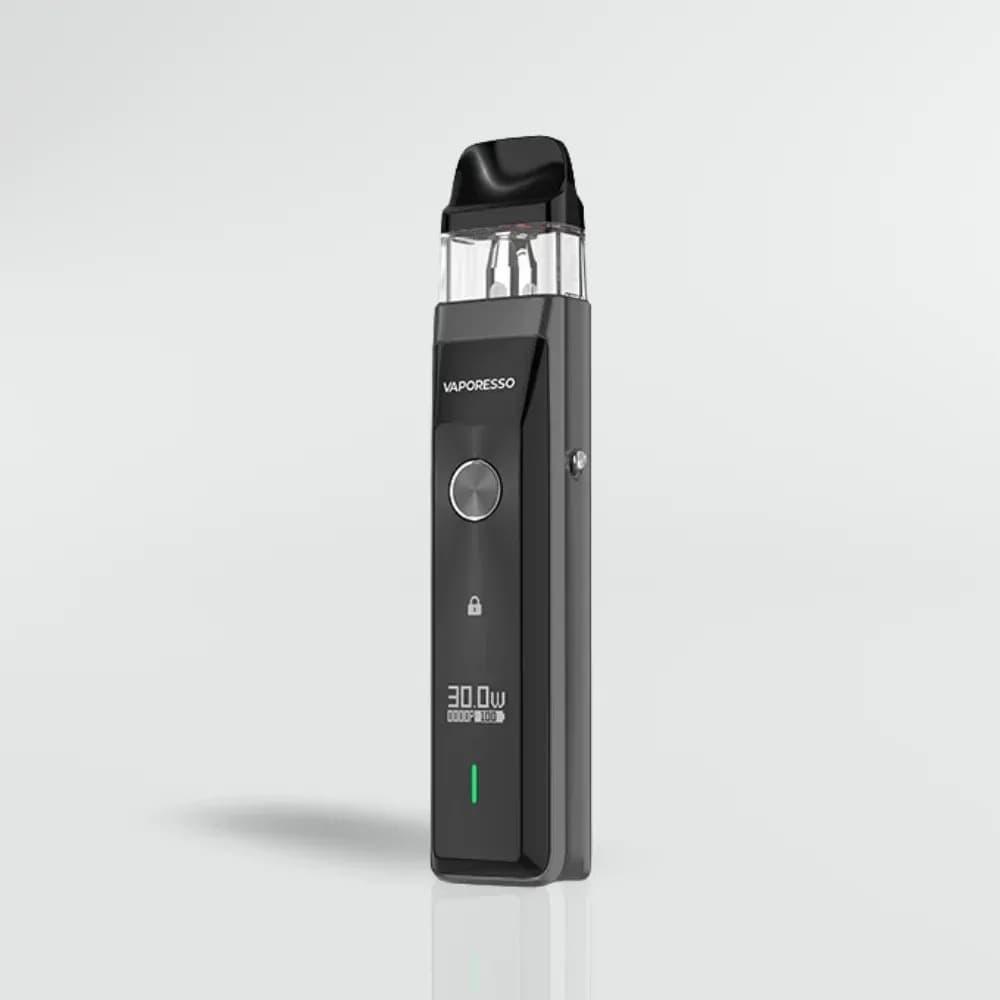
Flavors that appeal to younger adults and pregnant people can mask harshness and promote ongoing use. Device power, coil composition, and e-liquid constituents influence aerosol chemistry; higher-power devices may produce more toxic breakdown products. Marketing that promotes e-cigarettes as “safer” or “clean” can mislead vulnerable populations about pregnancy-specific risks.
How public health agencies advise
Different agencies vary in emphasis, but common themes are: discourage use of tobacco and nicotine during pregnancy, prioritize behavioral cessation support, and approach e-cigarette use cautiously. Official guidance generally does not endorse routine use of e-cigarettes as a cessation tool in pregnancy due to limited safety data.
How partners and family can help
- Maintain a smoke-free and vape-free home environment.
- Offer emotional support and attend prenatal counseling sessions if possible.
- Encourage and participate in cessation efforts together—family quitting has synergistic benefits.
Resources and supports
Seek local and national resources: pregnancy-specific quitlines, evidence-based counseling programs, and reputable online resources. Many maternal health clinics offer integrated behavioral support for nicotine cessation during prenatal care. If you are searching for up-to-date research, prioritize peer-reviewed journals, government public health websites, and guideline statements from obstetrics and pediatrics societies.
Practical checklist for clinicians counseling about E-Sigara and e cigarette while pregnant
- Document all nicotine product use at the first prenatal visit and follow up at each visit.
- Use nonjudgmental language to encourage honest disclosure.
- Offer or refer to behavioral counseling as first-line therapy.
- Assess for dual use and tailor plans to reduce total exposure with a goal of complete cessation.
- Discuss NRT if behavioral strategies fail and continuous cigarette smoking persists.
Research gaps and future directions
We need longitudinal studies tracking pediatric and adolescent outcomes after prenatal vaping exposures, better chemical characterization of e-liquids and aerosols, and ethically designed trials comparing cessation strategies in pregnancy. Understanding how different devices, flavors, and usage patterns affect risk will refine clinical guidance.
Key takeaways
- An informed, patient-centered approach is essential when addressing vaping in pregnancy.
- Complete cessation from nicotine and combustible tobacco is the ideal outcome for pregnancy health.
- If a person cannot quit smoking, clinicians may consider supervised alternatives after discussing risks and benefits.
- Family support and evidence-based behavioral interventions are powerful tools for achieving cessation.
Closing note
Decisions about nicotine use in pregnancy are deeply personal and often complex. If you are pregnant or planning pregnancy and are concerned about E-Sigara use or the question of e cigarette while pregnant, seek individualized guidance from your obstetric care provider, a tobacco treatment specialist, or a certified cessation counselor. Accurate information, compassionate counseling, and practical support make the best outcomes possible.
- Q: Can e-cigarettes help me stop smoking during pregnancy?
- A: Behavioral support is first-line. E-cigarettes are not routinely recommended in pregnancy because safety data are limited. In specific cases where a person cannot quit combustible cigarettes, clinicians may consider supervised alternatives after individualized assessment.
- Q: Is secondhand vapor harmful to my baby?
- A: Secondhand aerosol can contain nicotine and other chemicals; minimizing exposure is advisable. Keep the home and car free of smoke and vaping.
- Q: What should I tell my prenatal provider?
- A: Be honest about all nicotine and tobacco product use, including device types, frequency, and attempts to quit—this helps your care team provide the best support.